
New Federal Funding for Workforce Pell Grants
As of July 1, 2026, Workforce Pell Grants can help pay for certain short-term training programs for the first time. If you’re exploring a hands-on career, you may be wondering how this affects your options. At NYADI The College of Transportation Technology in Jamaica, New York, our financial aid team can help you sort through what’s new and what already applies to you. Here’s everything you need to know.
Key Takeaways
- Workforce Pell Grants became effective July 1, 2026, for qualifying students enrolled in approved short-term workforce programs.
- Eligible programs must provide 150 to 599 clock hours of instruction over at least eight weeks but less than 15 weeks.
- NYADI’s certificates and AOS program run longer than Workforce Pell allows, so eligible students use traditional Pell Grants and other aid instead.
- Our financial aid staff can help you compare every option available to you.
What Are Workforce Pell Grants?
Previously, Pell Grants generally covered programs lasting at least 600 clock hours and 15 weeks, with limited exceptions. Workforce Pell now supports short-term programs with 150 to 599 clock hours that last at least 8 weeks but under 15 weeks.
Like a traditional Pell Grant, Workforce Pell is need-based aid that doesn’t usually have to be repaid. Students qualify by completing the FAFSA, and awards are prorated by program length.
However, not every short program will be eligible. Each program must meet several requirements:
- It must prepare students for high-wage or in-demand occupations.
- It must meet minimum completion and job placement standards.
- Tuition and fees must stay within limits tied to graduates’ earnings.
- It must offer an academic pathway toward a larger credential.
That means students should always confirm whether a specific program has been approved before making financial plans based on Workforce Pell.
What Could Workforce Pell Mean for Career and Technical Education?
Workforce Pell creates another potential pathway into postsecondary education for people who want focused career preparation. This is important for adult learners and career changers who want to build marketable skills but aren’t looking for a traditional four-year college experience. It can also encourage schools to develop short-term credentials that connect students with additional educational opportunities.
For career and technical schools, the new funding puts a greater focus on training that connects education with workforce needs. Their programs must demonstrate value and meet specific federal and state requirements before becoming eligible.
What Does It Mean for NYADI Students?
At NYADI, we already have that career-focused approach, and our programs are built around the skills used in the transportation industry. For most of our students, the bigger news is that you don’t need a Workforce Pell to get federal help. Our certificate programs take about 11 to 12 months for full-time students, and our Associate of Occupational Studies (AOS) programs take longer, which means both fall outside Workforce Pell’s 15-week limits. However, eligible students can apply for traditional Pell Grants.
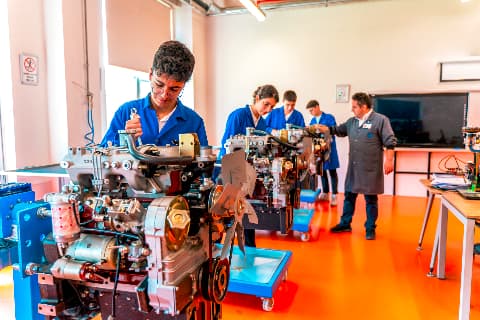
Our longer programs come with advantages. You get more time in the lab and more in-depth preparation for ASE certification testing. You may also combine grants, loans, and state aid to cover costs.
Because Workforce Pell reflects the growing federal support for hands-on career training, these restrictions are subject to change. As the program expands, our financial aid office can tell you whether any NYADI offering becomes eligible.
NYADI Programs and Financial Aid Options
NYADI currently offers both certificate and AOS degree programs. Students can choose a path based on the type of transportation career they want to pursue. Our certificate options include Automotive Service Technology, Truck and Diesel Service Technology, Collision Repair Technology, and Automotive Support Service Technology. We also offer AOS degrees in Automotive Technology, Automotive and Diesel Technology, and Automotive Management and Support Technology.
There are several types of aid that eligible students can apply for to help pay for these programs:
- Federal Pell Grants and Federal Work-Study
- Federal Direct Student Loans and Parent PLUS Loans
- New York State’s Tuition Assistance Program (TAP)
- NYADI’s High School Student Scholarship Program
- GI Bill benefits for veterans
Students without a high school diploma may also access aid through our Ability to Benefit pathway. If you’d like to estimate your costs before you apply, you can use our net price calculator.
Find the Right Funding for Your Training
New funding options and Workforce Pell Grants can be confusing, but you don’t have to figure them out alone. NYADI’s financial aid office can help. If you’re interested in automotive training, contact us today to explore your program options and discover what financial aid options you may qualify for.
Frequently Asked Questions About Workforce Pell Grants
When did Workforce Pell Grants become available?
The Workforce Pell provisions took effect July 1, 2026. Schools can apply to have qualifying workforce programs approved under the new federal requirements.
What types of programs can qualify for Workforce Pell?
Among other requirements, an eligible program generally must include at least 150 clock hours of instruction over a minimum of eight weeks and be shorter than 600 hours and 15 weeks. Programs must also meet workforce alignment and performance requirements.
Can I use a Workforce Pell Grant at NYADI?
Not yet. Our current program offerings exceed Workforce Pell’s length limits. Instead, eligible students can use traditional Pell Grants. Ask our financial aid office about any future changes.
How do I find out what financial aid I qualify for?
Start by completing the FAFSA. NYADI’s financial aid counselors can then help you review your eligibility, understand available resources, and plan for the cost of your education.