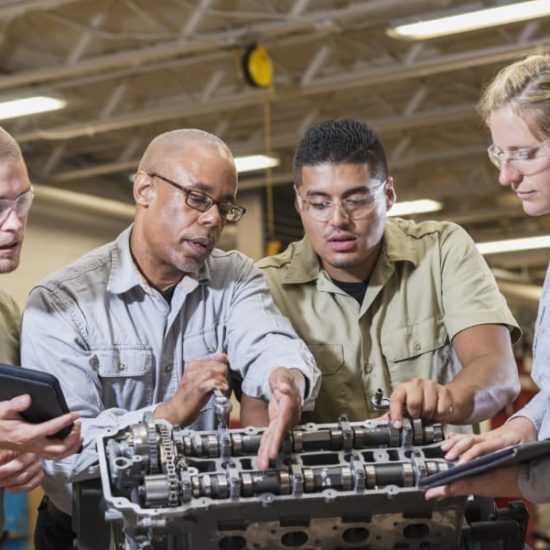

How to Decide What Automotive Specialty Is Best for You
Specializing in automotive repair offers many advantages, such as standing out from the competition in the automotive industry and establishing a long-term career. However, students should weigh key factors before committing to a specialty. NYADI The College of Transportation Technology provides automotive training programs for students in Jamaica, New York. Here, we discuss how to choose an automotive specialty and the factors to consider before deciding.
Key Takeaways
- Pursuing an automotive specialty can lead to higher pay, better job opportunities, and a more focused career path.
- Common specialties include diesel technology, electric and hybrid vehicles, collision repair, and advanced diagnostics.
- Students should consider their interests, strengths, lifestyle preferences, and job market trends before choosing a specialty.
- NYADI offers hands-on training, financial aid, and career guidance to help students explore and choose the right specialty.
Understanding Automotive Specialization
In the automotive industry, specialization means focusing your training and career on a specific area of vehicle repair or maintenance. Instead of becoming a general technician who works on all parts of a vehicle, a specialist homes in on one system to become an expert in that field. This can lead to more advanced roles, heightened job security, and the chance to work on cutting-edge technology. Specific specialization roles may include:
- Diesel engine repair specialists
- Electric and hybrid vehicle system specialists
- Collision repair and refinishing specialists
- Heavy truck and commercial vehicle service specialists
- Advanced diagnostics and electrical system specialists
Pros and Cons of Automotive Specialization
Specializing in a particular area of automotive repair offers several benefits, along with a few drawbacks. Considering both can help you make a well-informed decision. Some of the appeals of specialization include:
- Specialized technicians often earn higher wages than general automotive technicians.
- Job opportunities may be more abundant in high-demand specialty areas.
- Specialists frequently work with advanced tools and technologies, which can be more engaging and rewarding.
- A focused career path can lead to faster advancement and clearer professional goals.
Drawbacks of specialization include fewer opportunities to work on many different aspects of car repair and a higher dependence on the niche market’s demand.
Factors to Consider During Specialization
Selecting the right specialty is a personal decision that should be based on a combination of interests, strengths, and career goals. Here are the most important factors to consider:
Personal Interest and Aptitude
If you’re fascinated by a certain aspect of auto repair, you may want to consider specializing in it. Rather than working on other areas that you don’t care about as much, you can focus exclusively on the parts that interest you. Additionally, if you have experience in a certain area, such as electric and hybrid engines, you can put that experience to use by specializing in that area.
Industry Demand and Job Market Trends
It’s important to consider the industry demand and job market trends when considering a specialization. For example, the use of diesel engines is becoming less popular as more customers turn to electric or hybrid vehicles. You should research market trends to determine whether you’d be in more demand as a diesel technician or an electric vehicle specialist.
Salary Potential
One of the most compelling reasons to specialize in an automotive area is the potential for higher earnings and long-term career growth. Specialized technicians often earn higher salaries than general automotive techs, especially in areas where demand is strong and skills are more advanced.
According to ZipRecruiter, the average annual salary for automotive professionals in the United States is $65,318. Specialized roles tend to have higher starting salaries. For example, some of the highest-paying automotive jobs include electric vehicle (EV) technicians, diesel mechanics, and heavy equipment mechanics.
Time, Tuition, and Tools Costs
Understanding the time and financial investment required for automotive training is essential when choosing a specialty. NYADI offers both certificate and associate degree programs that are designed to be affordable and accessible.
It’s important to consider the tuition costs and other expenses to understand the true cost of your program. At NYADI, our Net Price Calculator can help you estimate the total cost of attendance, including tuition, fees, books, and supplies.
Work Environment and Lifestyle Considerations
When choosing an automotive specialty, it’s crucial to think beyond salary and training. Your day-to-day work environment and lifestyle preferences can significantly impact your job satisfaction and long-term success. Different specialties offer varying levels of physical demand, cleanliness, and exposure to hazards. For example, specialties like collision repair may involve more exposure to chemicals, paint, and dust, while diagnostics or EV repair may offer cleaner, more tech-focused environments.
Should I Choose Automotive Specialization Now or Wait?
Some students know exactly what they want to do from day one, while others benefit from exploring different areas before committing. There’s no one-size-fits-all answer—but there are a few key points to consider when deciding whether to specialize now or wait.
- If you already have a strong interest in a specific area, such as diesel engines, starting with a focused program can help you build expertise and enter the workforce faster.
- If you’re unsure about your long-term goals, beginning with a general program like NYADI’s Automotive Technology Program allows you to explore multiple systems and specialties before narrowing your focus.
- Gaining hands-on experience in different areas can help you discover what you enjoy most and where your strengths lie.
- Waiting to specialize gives you time to learn about industry trends, job market demand, and salary potential in various fields.
NYADI’s professional instructors and career services team are available to help you evaluate your options and make an informed decision based on your interests and career goals.
Choose NYADI for Automotive Specialty Training
If you’re thinking about pursuing an automotive specialty, NYADI can help you with our career-focused, hands-on training. Whether you’re interested in diesel, collision repair, or electric vehicle systems, NYADI provides tools, support, and flexibility to help you find the right path.
With financial aid options for qualified students and strong employer partnerships, NYADI is committed to helping you turn your passion for cars into a rewarding profession. To explore your options for automotive specialty training, contact us today.
FAQs About Automotive Specialties
Do I need to choose a specialty before starting school?
No, many students begin with a general program and explore different areas before deciding on a specialty.
Which specialties offer the highest earning potential?
Specialties like electric vehicle systems, diesel technology, and advanced diagnostics tend to offer higher salaries and faster career growth.
Can I change my specialty later in my career?
Yes, many technicians shift focus over time. Additional training may be required, but switching specialties is common in the industry.