
Career Opportunities for Automotive HVAC Technicians
Skilled automotive heating, ventilation, and air conditioning (HVAC) technicians keep modern vehicles safe and comfortable on the road by maintaining advanced heating and cooling systems. If you want a hands-on career with strong growth potential, becoming an automotive HVAC technician opens a wide range of opportunities across the automotive industry. NYADI The College of Transportation Technology offers comprehensive training programs to help you build vital skills. Here, we explore some career paths for automotive HVAC technicians.
Key Takeaways
- Growing demand and evolving vehicle technology create strong, long‑term opportunities for automotive HVAC technicians across multiple career paths.
- Advanced training helps students build the diagnostic, electrical, and hands‑on skills needed for modern HVAC systems.
- Expanding electric vehicle (EV) and hybrid markets increase the need for technicians confident with high‑voltage and energy‑efficient climate‑control systems.
What Does an Automotive HVAC Technician Do?
An automotive HVAC technician works with systems that control interior temperature, airflow, and overall comfort. The profession blends mechanical skill with modern diagnostic technology, especially as vehicles rely on more advanced electronics. Some daily responsibilities include:
- Performing system diagnostics: Technicians use specialized diagnostic tools to pinpoint issues in vehicle HVAC systems.
- Ensuring comfort and safety: Maintaining consistent climate control helps ensure clear visibility, stable cabin temperatures, and a safer driving environment.
- Utilizing electronics and diagnostic tools: Because HVAC systems are now integrated with vehicle electronics, techs apply digital testing equipment and software-based diagnostics to solve complex problems.
The demand for automotive HVAC technicians is rising as vehicles become more advanced and driven by new technology. These industry shifts are creating strong, long-term opportunities for technicians with specialized HVAC skills and training. At NYADI, our automotive programs prepare students to work with HVAC components and tools, helping them step into the field.
Where Can Automotive HVAC Technicians Work?
Skilled automotive HVAC technicians can build careers in a variety of professional settings. Nearly every vehicle relies on reliable heating and cooling systems, and technicians have opportunities across multiple segments of the automotive industry. Some work environments include:
- Car dealerships and authorized service centers: Many technicians work in dealership service departments, where they service systems on specific makes and models using manufacturer-approved tools and procedures.
- Independent repair shops: Local repair shops offer steady work for technicians who can diagnose and repair HVAC issues on a wide range of vehicles.
- Commercial fleet service operations: Fleet maintenance teams depend on trained technicians to keep delivery trucks, work vans, and commercial vehicles running safely.
There are also opportunities beyond the shop. Many automotive HVAC techs go on to pursue roles that design, test, and improve HVAC systems for new vehicles.
What Are Some Advancement Paths for Automotive HVAC Technicians?
As technicians gain experience and expand their skill sets, new opportunities open across the automotive industry. Career growth often comes from building stronger diagnostic abilities, earning industry certifications, and staying current with evolving vehicle technology. Some advancement prospects include:
- Supervisory and master-level roles: Experienced technicians can move into positions overseeing repair teams, handling more complex diagnostics, and mentoring entry-level techs.
- Shop foreman or service manager positions: Technicians with leadership ability may advance into roles that coordinate workflow, manage service departments, and ensure quality across daily operations.
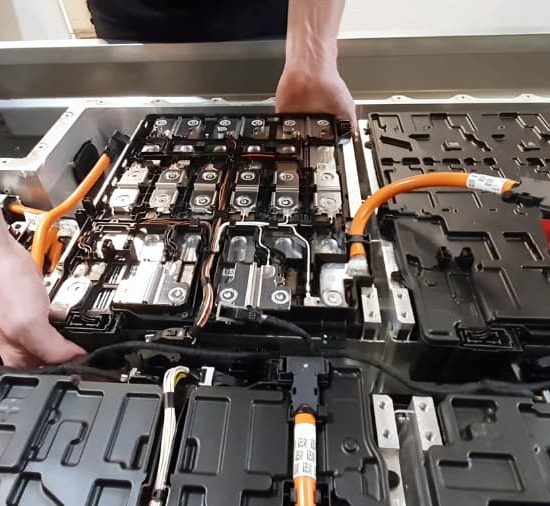
- Electric and hybrid vehicle HVAC technician: Electric and hybrid vehicles use HVAC systems that manage both cabin comfort and battery temperature, requiring technicians to understand high-voltage parts and electric compressors. Automotive HVAC technicians who can work confidently with these specialized systems can move into these in-demand roles.
Automotive HVAC technicians can expect competitive starting pay, with national data showing that automotive HVAC technicians earn an average salary of $52,075. Earnings vary widely by experience, certifications, position, and location. HVAC-related technicians at the top of the field and in advanced positions can earn higher salaries. Credentials, such as Automotive Service Excellence (ASE) HVAC certification, strengthen credibility and may also help technicians qualify for more advanced positions and higher earnings.
Start Your Automotive HVAC Technician Career at NYADI
Begin your automotive HVAC technician career at NYADI with our industry-focused programs, real-world learning experiences, and access to advanced technology. NYADI students also benefit from career services, financial aid for those who qualify, and admissions support throughout their academic journey. To learn more about automotive HVAC technician career opportunities, contact us or apply now.
FAQs About Automotive HVAC Technician Careers
What skills are essential for an automotive HVAC career?
Technicians need strong diagnostic thinking, knowledge of electrical systems, mechanical ability, and familiarity with modern HVAC components and tools.
Can automotive HVAC techs work on electric and hybrid vehicles?
Yes, technicians trained in high‑voltage safety and advanced electronics can service the specialized HVAC systems found in EVs.
Is there demand for automotive HVAC technicians?
Yes, as vehicles become more advanced and rely on complex climate‑control systems, the need for skilled HVAC technicians continues to grow.