

Beyond Oil Changes: Learning Advanced Auto Tech Skills
As an automotive technician, you’ll be expected to perform more than just oil changes and tire rotations. Here are some of the advanced auto tech skills you’ll learn in the Automotive Technology A.O.S. Degree program at NYADI The College of Automotive and Diesel Technology. Engine Repair Combining classroom and hands-on learning, this course teaches future automotive technicians how to disassemble, diagnose, measure and repair cylinder heads, engine blocks, crankshafts and more. Electrical/Electronic Systems In this course, students are taught how to use advanced diagnostic techniques to repair electrical circuits associated with instrumentation, horn systems and wiper/washer

How NYADI Can Help You Find Employment with a Respectable Company
Automotive service has always been a competitive field, with the most desirable positions often requiring a great deal of experience, impressive certifications and a demonstrable commitment to excellence. But if you’re looking to kick off your automotive career with a position at a respectable company, look no further than the high-quality educational programs at NYADI The College of Automotive and Diesel Technology. Here are four ways NYADI’s Automotive Technology AOS Degree program can help you secure your dream job. 1. Our graduates receive ASE certifications. There are automotive technician positions out there
What Do Drivers Expect from a Qualified Mechanic?
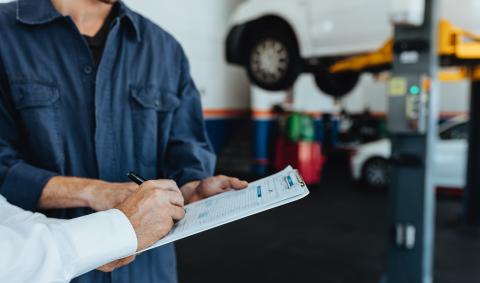
No matter the business, customers should always come first, and the same goes for auto body shops. As a certified mechanic, customers expect a good deal from you and your auto repair services. Below, we outline three things that drivers look for in certified mechanics. 1. Cost Savings While it may seem otherwise, amateur auto mechanics often cost a customer more than a certified mechanic. Depending on the shop, there may be an hourly labor rate. Since self-taught mechanics typically have much less training than a certified mechanic, it may take them

Tips for Communicating as a Certified Auto Mechanic
Inspecting vehicles, conducting routine maintenance and making repairs aren’t the only responsibilities of a certified auto mechanic. In fact, in addition to working on vehicles, auto techs must be able to communicate effectively with customers about their vehicles. Most customers have very little understanding of their vehicle’s inner workings. When something goes wrong, you must be able to put complex technical jargon into layman’s terms. Here are a few tips for effectively speaking to your customers as a certified auto mechanic. Use Metaphors and Analogies To make a complex subject much more accessible

3 Reasons Why You Should Complete Collision Repair Training
If you’re looking for a career where you get to work on automobiles every day, that has room for advancement and that offers a high degree of job security, collision repair might just be the right fit for you. But before you can enter this exciting field, it’s important to consider the advantages of a collision repair technology undergraduate certificate program. Here are three reasons why you should study collision repair at NYADI The College of Automotive and Diesel Technology. 1. You enjoy working with your hands. Desk jobs are not for everyone,

What Will Be the Biggest Game Changers in the Automotive World?
The innovative vehicles we’ve come to rely on today are worlds away from those that were the norm for previous generations. And while it may seem tough to keep up with the vast range of innovations that hit the market every year, it’s difficult to deny that most of these changes – from airbags to hybrid engines and beyond – have made our lives easier. However, this brings up an important point – automotive technicians must keep on top of all the latest, greatest trends in order to achieve continued

How to Keep Skills Up to Date on All the Latest Vehicle Models
In 2017, there were 237 existing and 38 new car models offered in the U.S. market. In fact, approximately 39 new models have been introduced each year since 2000. For automotive technicians, it can be difficult to stay up to date on all the new vehicles and technologies that hit the market within any given year. However, there are a multitude of methods for brushing up on the latest tech and features, so you can better serve your customers. Enroll in Training Whether you’re a self-taught mechanic or a recent high school graduate looking

Acing Your First Interview for an Auto Tech Position
The job interview process can be intimidating. It’s exciting to display your expertise for a prospective employer, but at the same time, it’s natural to be nervous, because these interviews play a huge role in directing your career path. Fortunately, as long as you hone your skills and take interview preparation seriously, you'll be well on your way to achieving an exciting position in the automotive field. As you prepare for an upcoming interview, consider these top tips from NYADI The College of Automotive and Diesel Technology. 1. Research the company

What Employers Look For in Auto Technicians
Seeking a job in the automotive industry? When hiring automotive technicians, employers often look at four main factors: education, certification, technical abilities and communication skills. See if you have what it takes to compete in the automotive technology industry below. Education While a degree is not always required, having one can help make you an attractive candidate when trying to land a job in the fast-paced automotive technology field. Employers want to see if you have the technical competence to diagnose, test and repair the vehicles that come into their shop from
What Makes an Automotive Instructor Great? P
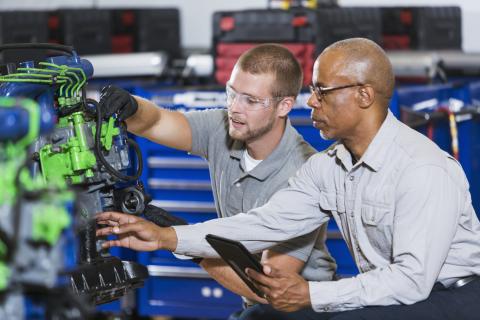
Even the most carefully developed educational programs can only go so far if they don’t include high-quality instructors. But what is it that separates an excellent automotive instructor from other teachers? We’ll discuss three key traits NYADI The College of Automotive and Diesel Technology insists on for all our seasoned instructors. 1. Your teacher has years of hands-on experience. Could you learn your way around a car’s engine by reading a book? Certainly – that’s an important part of any automotive education. But simply understanding how a vehicle’s components function doesn’t mean